
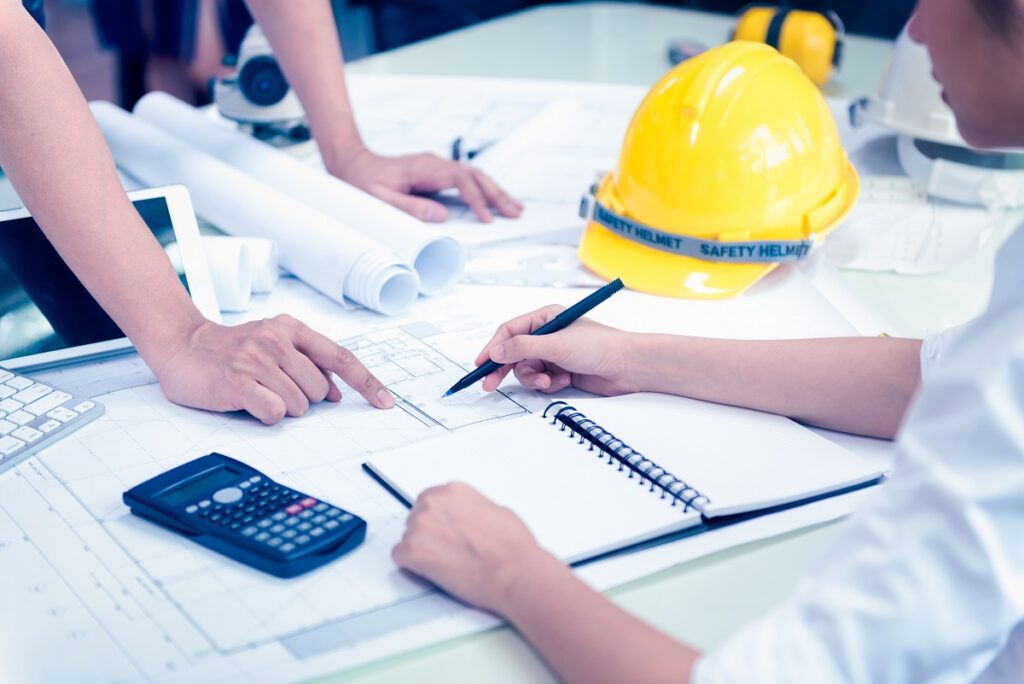
In commercial construction, the foundation of a successful projects extends beyond the physical structures being built. It relies on the principles of transparency and communication. Understanding the pivotal role these elements play is key to navigating the intricacies of commercial construction projects.
This article explores why transparency and communication are pillars for success in commercial construction.
Why Transparency And Communication Are So Important In Construction
There are many reasons why transparency and communication are integral in construction. They include:
Build Trust With Stakeholders
Transparency and open communication are cornerstone principles in commercial construction projects. They create a foundation of trust and accountability. Keeping clients informed about progress, challenges, and critical decisions fosters a sense of ownership and involvement.
All stakeholders appreciate the assurance that their investments are managed with integrity and transparency, ensuring no information is kept from them. This openness is paramount in cultivating a trust-based relationship, which is crucial for any project’s seamless execution. It reduces potential misunderstandings or misinformation. As a result, it aligns all stakeholders with the project’s goals and expectations.
Reduce Misunderstandings And Change Orders
Open communication also minimizes misunderstandings and change orders, which can cause construction delays and increase costs. By keeping all parties informed throughout the construction process, potential issues can be identified and addressed early on. In turn, this prevents them from becoming larger problems down the line.
Open dialogue also allows for any necessary changes to be made promptly and efficiently rather than waiting until later stages of the project, when they may be more costly and disruptive.
Also, when there is clear communication between all stakeholders, everyone is on the same page regarding project timelines and expectations. This not only helps to prevent conflicts but also promotes collaboration and teamwork among all involved.
Facilitate Proactive Problem Solving
Unexpected issues are inevitable in construction. However, proactive communication can help mitigate the impact of these issues. Transparently sharing information about potential problems allows all stakeholders to engage in problem-solving early on. This collaborative approach leads to more innovative and effective solutions, minimizing delays and additional costs.
Understanding the nature of problems and the proposed solutions helps business owners maintain control over the project’s direction and outcome. It also provides an opportunity to learn and make more informed decisions in future projects.
Moreover, transparency and communication are crucial for proactive risk management. By openly discussing potential risks, teams can create contingency plans. This way, if an issue does occur, there are already plans in place to deal with it so that it won’t cause a significant delay.
Enhance Project Accountability
Clear communication channels establish accountability among all project participants. When expectations, roles, and responsibilities are communicated upfront and documented, each party knows what is expected of them. This clarity minimizes misunderstandings and mistakes, saving time and money.
In addition, transparency in reporting project progress, budget status, and potential issues allows all stakeholders to stay informed and involved. This is crucial for making informed decisions and holding parties accountable for their roles in the project’s success.
Guarantee Project Quality And Satisfaction
Effective communication also improves project quality and satisfaction. By regularly sharing project updates, milestones, and changes with all stakeholders, the team can ensure everyone is on the same page and working towards the same goals.
Further, open communication allows for timely identification and resolution of issues. This leads to a higher quality end product.
Improve Project Efficiency
Poor communication can lead to wasted time, resources, and effort in a project. In contrast, effective communication streamlines processes and eliminates unnecessary tasks or delays.
For instance, by clearly communicating timelines and deadlines, each team member knows their role in meeting project milestones. This reduces confusion and prevents bottlenecks that can significantly slow down progress.
Enhance Team Dynamics
Transparency and communication also play a key role in enhancing team dynamics. By fostering an environment of open and honest communication, team members can build trust and work together more effectively.
Clear communication helps to set expectations, delegate tasks, and address any conflicts that may arise. This leads to better teamwork and stronger relationships among team members.
Also, it encourages active listening and understanding of different perspectives. This promotes diversity of thought and can lead to innovative solutions as team members collaborate and combine their unique skills and ideas.
Conclusion
By prioritizing transparency and communication, construction teams can work together more effectively and ensure successful projects. A collaborative relationship with everyone involved fosters trust, mitigates risks, and ultimately leads to a successful project that meets your business goals and delivers a space that fuels your continued growth.
If you’re looking for an experienced and reliable commercial contractor to help you achieve your vision, get in touch with Chad Fisher Construction today. Our team is here to guide you through the whole process of building the perfect commercial space for your needs.