
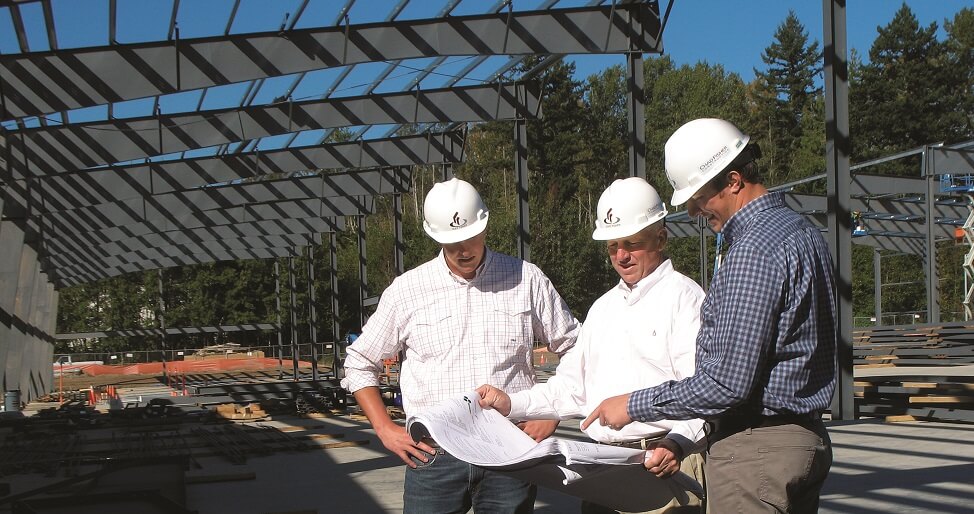
There are many reasons why you might be considering a commercial construction project. Maybe you are expanding your business footprint, renovating your office space or even constructing a new building from scratch. Regardless of what you want to achieve, it’s worth noting that careul planning and following some basic principles will help you avoid the most common obstacles for a successful project.
Even if you hire the best team, source the best materials, get all the permits, and plan everything meticulously, there are still common hurdles that can delay or even derail your commercial construction ventures. This article looks at these hurdles and offers some tips on how to overcome them.
6 Key Hurdles In Commercial Construction Ventures
Below are some of the common hurdles that you might face when undertaking a commercial construction project:
Tight Deadlines
One of the biggest challenges you might encounter in expanding or enhancing your business through construction projects is adhering to tight deadlines. These are not just dates on a calendar; they’re important to your project’s success, influencing budget, planning, and operational continuity.
Unforeseen issues such as weather delays, permitting holdups, or supply chain disruptions can push these deadlines further out. Ultimately, this can affect your business’s ability to open or expand on schedule.
It’s critical to work with a team that understands the importance of deadlines and is proficient in managing and mitigating delays. Additionally, contingency plans can help you stay on track even when unexpected hurdles arise.
Budget Constraints
Managing your budget effectively is crucial in commercial construction projects. Unexpected expenses, such as unexpected site issues, material cost increases, or changes in labor rates, can significantly affect your overall budget. These challenges necessitate a flexible yet well-thought-out budget with a contingency fund to cover unexpected costs.
Working closely with your construction team to monitor expenses and adjust budgeting plans is essential. By maintaining open communication and with careful financial planning, you can mitigate the impact of budget constraints. This will help keep your project on track, safeguarding your investment and business objectives.
Poor Planning
As they say, failing to plan is planning to fail. In commercial construction, this couldn’t be truer.
Poor planning can result in delays, budget overruns, and even the abandonment of a project. This is why it’s crucial to work with professionals who thoroughly understand project management and can develop detailed plans that consider all aspects of your project.
Careful planning involves identifying potential risks and developing contingency plans to mitigate them. It also involves setting realistic timelines, good budget and resource allocations, and project scheduling.
When you invest time in the planning phase, you can save yourself from costly mistakes and setbacks down the line.
Communication Breakdown
Communication is the oil that keeps a construction project’s gears running smoothly. A breakdown in communication can lead to misunderstandings, delays, and mistakes that can impact the project’s success. This is why it’s crucial to establish effective communication channels and encourage open dialogue among all team members.
To implement effective communication, consider having regular project meetings to discuss progress and address any issues or concerns. You want to make sure you choose a contractor that values open communication and transparency and has systems in place to streamline information sharing amongst stakeholders.
Maintaining Quality
Every project has a unique set of quality standards that must be met to ensure its success. These include adhering to building codes, industry standards, and client expectations. Quality assurance processes should be incorporated into the project plan from the beginning to ensure these standards are met.
To maintain quality throughout a project, your contractor should conduct regular inspections and audits to identify any potential issues early on. It’s also important that they have a system in place for addressing and resolving any quality concerns that may arise. This could include establishing a quality control team or having designated team members responsible for ensuring standards are met.
Unrealistic Expectations
Ensuring your goals and vision for your commercial space are achievable is crucial. Unrealistic expectations can lead to burnout, frustration, and, ultimately, failure.
To manage expectations effectively, set realistic goals and communicate them clearly with your construction team members. Consider involving stakeholders such as contractors, business partners, and your employees in the goal-setting process to ensure their expectations align with what is feasible for the project. It’s also important to review and adjust expectations regularly as the project progresses and circumstances change.
Conclusion
Your construction project is a complex undertaking that requires careful planning, effective communication, and constant monitoring. By incorporating the strategies discussed in this guide, you can increase the chances of success for your project.
Ready to navigate the challenges of your commercial construction project with a reliable partner? Get in touch with the experts at Chad Fisher Construction. With over 40 years of experience in the Pacific Northwest, we will ensure your project is completed on time, on budget, and according to your vision.