
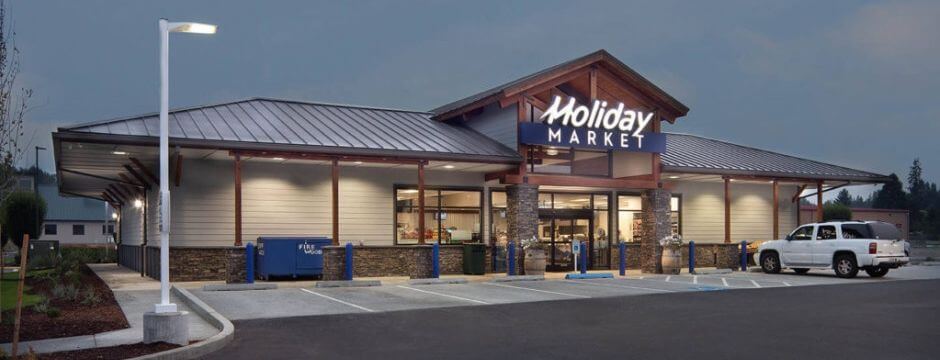
A well-designed retail space can make all the difference in how customers perceive your brand. From the aisles’ layout to the lighting’s ambiance, retail construction shapes the customer experience.
Thoughtful retail space design makes it easier for customers to navigate the space and encourages them to stay longer, engage more, and make purchases. The physical environment sets the tone. It turns casual visits into memorable experiences that drive customer loyalty and repeat business.
The Evolving Landscape of Retail Spaces
The retail landscape is evolving rapidly, driven by technological advancements, a focus on sustainability, and shifting consumer behaviors.
Retailers are adopting smart technologies like augmented and virtual reality (AR/VR) and interactive digital displays. They offer customers immersive and personalized experiences.
Recent data shows that the smart technology market was valued at USD 30.25 billion in 2022 and is expected to grow at an impressive CAGR of 29.1% by 2030. This rise in innovation is transforming the shopping experience. It allows customers to engage with products in more immersive and interactive ways.
Sustainability has also become a key focus. Over 65% of retail stores are embracing eco-friendly designs, energy-efficient systems, and green materials to meet the growing demand for responsible shopping.
Additionally, flexible store layouts are being introduced. They allow retailers to adapt spaces for product launches, events, or seasonal changes. These trends are reshaping retail spaces, making them more dynamic, engaging, and customer-centric.
5 Design Elements That Boost Customer Engagement
Here are five design elements that boost customer engagement in commercial retail spaces:
1. Interactive Displays
Retailers incorporate touchscreens, augmented reality (AR), and virtual reality (VR) into store designs. These displays engage customers by allowing them to explore product features interactively, try virtual demos, and immerse themselves in brand experiences. These technologies create memorable and engaging shopping experiences that go beyond passive browsing.
2. Flexible Store Layouts
Gone are the days of rigid store designs. Retailers now opt for modular fixtures, movable walls, and adaptable display systems. This allows stores to quickly transform for new product launches, seasonal promotions, or community events. It keeps the shopping environment fresh and engaging.
The Holiday Market is one project that demonstrates the power of flexible layouts. The space is regularly adapted to accommodate seasonal promotions, keeping the store fresh and engaging for customers.
3. Sustainability in Design
Eco-conscious design is now a key element in boosting customer engagement. Stores are integrating energy-efficient lighting, sustainable materials, and green walls. These elements create a calming atmosphere and resonate with consumers who are now prioritizing environmental responsibility in their shopping choices.
The Port Susan Market is a great example. The project features eco-friendly materials, such as steel, and energy-efficient thermoplastic membrane roofing that reduce the store’s carbon footprint. These materials help to create a more inviting and sustainable shopping environment for customers.
4. Personalized Spaces
Retailers are using design to create personalized shopping experiences. This could include localized elements that reflect community culture, as well as spaces where customers can engage in workshops or events. Personalization helps build stronger customer connections and fosters loyalty.
The Island Market is a prime example of this approach. Its design is tailored to the local community’s needs and preferences. This creates a unique, personalized shopping experience that builds strong customer loyalty.
Integrating Technology into Retail Construction
Below are some key technologies reshaping the industry:
- Building Information Modeling (BIM): BIM is revolutionizing retail construction by providing a detailed digital representation of a building’s physical and functional aspects. This technology allows architects, contractors, and retailers to visualize the project in 3D before construction starts. It reduces errors, improves collaboration, and ensures more efficient construction processes.
- Internet of Things (IoT): IoT enables smart store environments by connecting systems like lighting, heating, and security through sensors. These systems can be monitored and adjusted in real time to optimize energy efficiency and enhance the shopping experience through personalized interactions.
- Augmented Reality (AR) and Virtual Reality (VR): AR and VR technologies offer multiple uses in retail construction. For stakeholders, VR can be used to visualize and walk through virtual store designs before physical construction begins. This helps identify potential design issues early on and ensures a smoother build process.
On the customer side, AR and VR provide immersive in-store experiences. It allows shoppers to interact with virtual product displays, explore features, and try on products virtually. This boosts engagement and purchase confidence.
Conclusion
Retail construction is pivotal in crafting spaces that enhance customer engagement, foster loyalty, and reflect modern needs.
By incorporating cutting-edge technologies, flexible designs, and sustainable practices, retailers can create environments that offer seamless, personalized, and memorable shopping experiences.
At Chad Fisher Construction, we create innovative, sustainable, and customer-centric retail environments that drive engagement and loyalty. Whether you need a flexible store layout, eco-friendly designs, or advanced technology integration, our team brings expertise and vision to every project.
Let us help you transform your retail space into a memorable shopping experience that keeps customers coming back.