
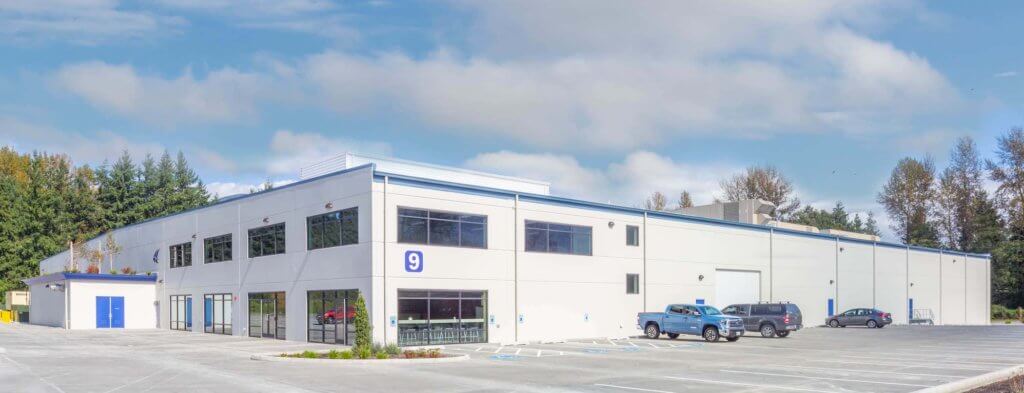
The design of an aerospace facility significantly influences both the operational efficiency of the building and the safety of employees in the work space. A well-thought-out layout supports smooth workflows and ensures compliance with the stringent safety standards of aviation construction. From optimizing equipment space to creating safe personnel zones, the impact of facility design cannot be overstated.
As the aerospace industry continues to evolve, the demand for facilities that foster productivity and safety grows. Understanding how design choices affect these critical factors is essential for long-term success.
This article will explore how aerospace facility design shapes efficiency and safety outcomes.
Key Design Considerations for Aerospace Facilities
Below are some of the considerations for operational efficiency and safety when planning the construction or improvements of aerospace facilities:
Safety in Aerospace Facilities
Meeting safety regulations is a top priority in aerospace facility design. From adhering to FAA requirements to ensuring compliance with seismic and vibration sensitivity, every detail must align with industry standards. A well-designed facility minimizes hazards and protects workers and equipment, creating a safe working environment.
Efficient Workflow Layout
An optimized layout is essential for smooth operations. Aerospace facilities often handle large, intricate parts, and the design should prioritize ease of movement and accessibility. This includes wide bays, overhead cranes, and clear pathways to reduce the time and effort needed for assembly or maintenance tasks.
Environmental Controls
Aerospace facilities require precise control over environmental factors such as temperature, humidity, and cleanliness. Advanced HVAC systems, cleanrooms, and pressurization ensure that sensitive materials remain unaffected by external conditions. These environmental controls are critical for quality control and meeting production standards.
Material Handling and Storage Solutions
Due to the large size and complexity of many aerospace components, efficient material handling and storage are vital in aerospace facilities.
Properly designed storage areas, equipped with advanced racking systems and automated retrieval technology, ensure easy access to parts while minimizing the risk of damage. This streamlines operations, reduces downtime, and optimizes inventory management, contributing to overall facility efficiency.
Sustainability Considerations
Modern aerospace facilities are also moving toward sustainability. Incorporating energy-efficient systems, like LEED-certified designs, and optimizing for carbon neutrality are becoming industry best practices. By reducing the environmental impact of operations, these facilities contribute to broader sustainability goals.
Enhancing Operational Efficiency Through Smart Design
Enhancing operational efficiency in aerospace facilities through smart aerospace facility design requires integrating advanced technologies and data-driven solutions. Smart buildings and facilities leverage interconnected systems, such as IoT devices, data analytics, and automation, to optimize energy usage. These systems also streamline workflows and enhance overall performance.
For instance, predictive maintenance systems can detect potential issues before they escalate, minimizing downtime and extending the life of critical equipment. Real-time monitoring allows facilities to make informed adjustments to HVAC, lighting, and security systems. This significantly reduces energy consumption and operational costs.
Aerospace facilities can achieve both short-term efficiency gains and long-term cost savingsby automating routine processes and utilizing data to inform decision-making.
The key to these improvements lies in creating a connected environment where technology enables smoother operations. For example, smart sensors can control climate conditions based on occupancy, preventing energy waste and ensuring comfort without sacrificing efficiency.
Implementing these systems enhances day-to-day operations and prepares facilities for future technological advancements.
Real-World Examples: Successful Aerospace Facilities
Janicki Industries Clean Room Building 5
Janicki Industries Clean Room Building 5 is a cutting-edge aerospace facility constructed by our team at Chad Fisher Construction. Located in Hamilton, Washington, this 9,600 Square Feet clean room facility was built to support the production of high-precision aerospace components made from advanced composite materials.
The facility features highly controlled environmental systems, including state-of-the-art HVAC for temperature and humidity regulation, crucial for maintaining the integrity of sensitive materials.
The clean room also includes various specialized equipment, such as vacuum pumps and large curing ovens, designed to ensure that aerospace parts are manufactured to the highest standards. The building represents a major step forward in Janicki’s capacity to meet the growing demands of the aerospace industry.
Janicki Industries Autoclave Facility
Another standout project for Janicki Industries was the construction of a 7,000-square-foot autoclave facility. This highly specialized enclosure was designed to be climate and noise-controlled.
It allowed Janicki to carry out complex aerospace manufacturing processes without interrupting ongoing operations. The facility’s design includes precise temperature and environmental controls. This is crucial for aerospace part production.
Hexcel Corporation Expansion
Hexcel Corporation, a leader in advanced composites for aerospace, partnered with Chad Fisher Construction for two major expansions at their Burlington, Washington, site.
Both the phase 1 and phase 2 projects involved adding significant square footage to accommodate increased production demands. These expansions were designed with sustainability in mind. They incorporated advanced energy management systems to optimize operational efficiency.
Conclusion
The design of aerospace facilities is critical in enhancing operational efficiency and safety. Smart layouts streamline workflows, reduce hazards, and create environments conducive to precision manufacturing. Key considerations like environmental controls, sustainability, and compliance with safety regulations further strengthen facility functionality.
As the aerospace industry evolves, facility design must prioritize innovation, ensuring operations remain efficient, safe, and sustainable. A well-designed facility not only boosts productivity but also upholds stringent safety standards. Ultimately, it contributes to long-term success in the aerospace sector.