
Modular construction is a rapidly growing industry. It offers impressive cost savings and environmental benefits. Yet we sometimes think of bland gray boxes when it comes to modular construction.
But this is an outdated perception. Modular construction now produces beautiful, stylish commercial structures. There is no one specific style that modular buildings fall into.
With modular technology advancing, we are constantly seeing more innovative modular construction techniques. Let’s understand why clients and contractors are choosing modular construction.
What Is Modular Construction?
Modular construction is a technique that uses prefabricated components rather than building structures on-site. These components, also called modules, are made in a manufacturing facility and then transported to the building site to be sysematically installed.
6 Reasons Why It’s Gaining Popularity
The global modular construction market size was $79.92 billion in 2022 and is projected to grow from $84.48 billion in 2023 to $131.58 billion by 2030. Let’s look at what makes modular construction so attractive.
Lower Cost
Increased specialization and economies of scale make modular construction cheaper than traditional construction techniques. Factories essentially make one component over and over, rather than building an entire structure.
Modular construction is particularly useful for medical facilities where the building process involves repeating the layout and design again and again. By switching to a modular construction style, you can do this repetitive construction at a lower cost.
This construction technique reduces the impact of labor skill shortages on construction projects. Labor shortages can easily add time and costs to your project, and managing them is key to a successful project.
Environmental Benefits
One of the benefits of modular construction is how eco-friendly it is. You can choose green materials and production requires less energy expenditure. One big delivery of modules rather than countless deliveries of materials also reduces the vehicle exhaust emissions of your project.
In addition, this building approach is an energy-efficient construction technique. The controlled factory building conditions allow for standardized energy consumption. And because modular construction has shorter build times, you use less energy during construction.
Greater Quality Control
There are fewer variables to consider when it comes to modular construction, including less reliance on multiple vendors and subcontractors. Because your structures come pre-built, you know the quality will be the same across all modules.
It is also easier to pick up on issues before installation, which further reduces delays caused by mistakes.
Decreased Material Waste
Some reports suggest that modular construction produces 90% less waste than traditional construction.
Because of the specialization of modular construction, you have more control over the conditions. This results in more efficient use of resources and far less material waste.
Modular construction is typically done inside a factory, and therefore there is a smaller risk of weather damage to materials.
By building multiple modules at one factory location, the factory can order materials in bulk and store them easily. Leftover materials do not go to waste but can be used for the next project.
Increased Safety
A major advantage of modular construction is that it avoids the greatest cause of construction deaths: falls. These falls happen during construction, especially in multi-story buildings, when construction workers have to climb up to build walls, install wiring, or even take measurements.
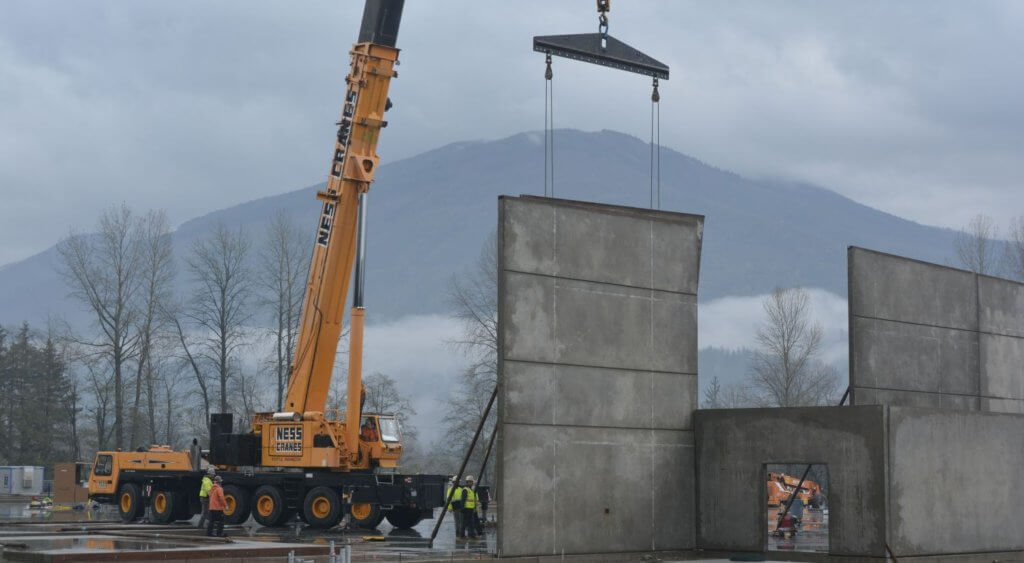
However, with modular construction, much of this can happen on the factory floor. Once completed, the modules are typically combined using a crane to lower them into place. As a result, it reduces many risks associated with construction.
Time Savings
On average, modular building takes 25-50% less time than traditional building methods. By constructing the modules off-site, you can avoid common delays like weather conditions or delayed arrival of materials.
Because of the pre-fab nature of modular construction, you also have far more control over delays. The timeline is more predictable and estimates will be more accurate.
This decreases costs and drastically improves the efficiency of your construction projects. A faster turnaround time also means that you can start using the space sooner.
Conclusion
Modular construction is on the rise and it’s easy to see why. However, the biggest obstacle is that not all contractors have experience managing the planning and logistics of modular construction.
So for professional contractors who can deliver maximum benefits from any construction project reach out to Chad Fisher Construction today.