
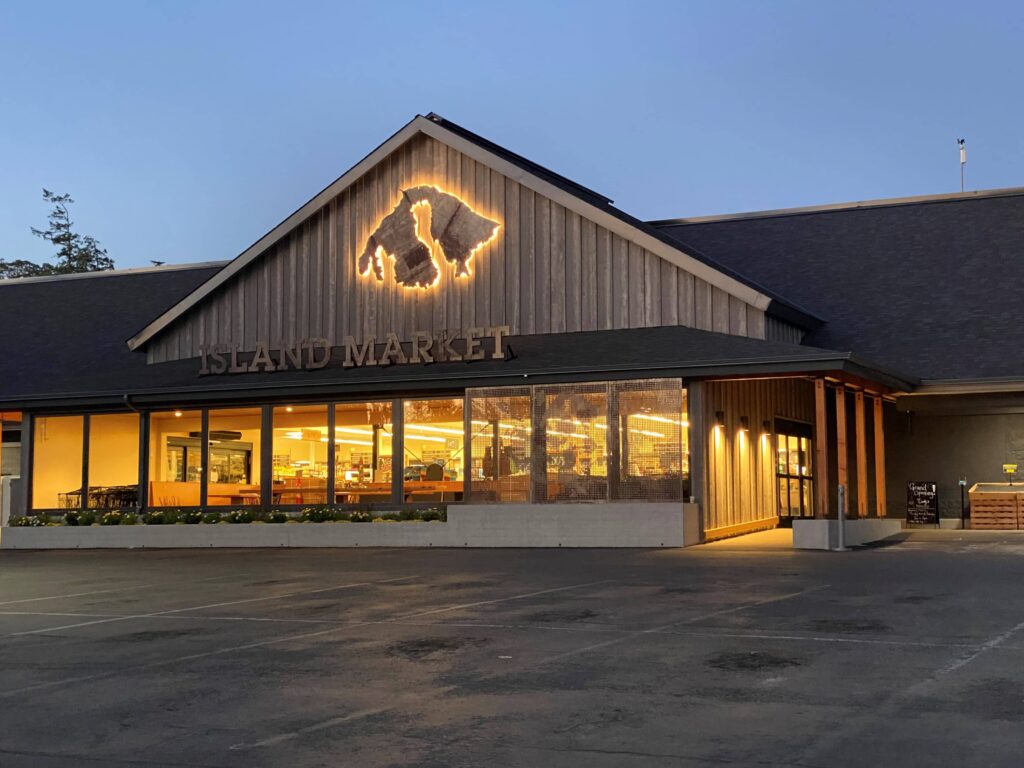
For business owners planning retail construction in the Pacific Northwest, the region’s unique identity presents both an inspiration and a challenge. Building in this part of the country is about laying down foundations and creating spaces that weather the climate, resonate with the community, and invite consumers in.
In this post, we’ll outline what makes retail construction in the Pacific Northwest so distinct and how business owners can turn these considerations into opportunities.
Adapting to the Unique Climate and Community Needs
In the Pacific Northwest, rain isn’t just weather—it’s a lifestyle. For retail construction, this means thinking ahead to mitigate the effects of constant moisture and fluctuating temperatures.
Weather That Tests Your Build
Rain, humidity, and even the occasional snowstorm can wreak havoc on structures that aren’t prepared. To make your retail space durable, choose materials that can handle wet conditions without breaking a sweat.
For example, treated wood can maintain its integrity over time, while advanced concrete sealants prevent cracks from water intrusion.
The Power of Community Connection
People in the Pacific Northwest value sustainability, localism, and design that doesn’t feel out of place. Your retail space should reflect that ethos. Incorporating green roofs, energy-efficient windows, or even locally sourced materials can send a powerful message: you’re not just a business—you’re a neighbor.
Consider the Port Susan Marketplace, a retail project by Chad Fisher Construction. Designed with functionality and charm, it captures the spirit of the community it serves while meeting the practical demands of the region’s climate.
Retail Design Trends That Drive Consumer Engagement
Building a retail space is all about getting customers in the door and providing a positive customer experience so that they keep coming back. Consumers expect more than a transaction—they want an experience.
Multi-Use Spaces for Modern Shoppers
Life is busy, and retail spaces that cater to multiple needs in one location have a significant advantage. For example, your retail space could have multiple departments so that shoppers don’t have to go to several stores to find what they need. Some of the space could also be used for a coffee shop or restaurant. Think about how your space could transform from a store during the day to a venue for local events in the evening.
Look at the Holiday Market Convenience Store, a project that’s as functional as it is forward-thinking. The layout supports smooth customer flow while delivering a top-tier shopping experience.
Nature Comes Inside
People here love the outdoors, even when it’s pouring. Designing with natural elements—like large windows to maximize natural light or indoor greenery—brings a bit of the outside world in. Natural light can also make a big impact as it can improve mood, meaning your customers can have a more positive experience in your retail space.
Not only do natural elements create a welcoming atmosphere, but they help set your space apart from others.
Technology That Feels Seamless
With the world becoming increasingly digital, your retail space needs to meet the expectations of a tech-savvy audience. Consider smart checkout systems, digital wayfinding, and even augmented reality displays to engage shoppers in fresh ways.
Essential Construction Practices for Durable Retail Spaces
Beyond aesthetics, your retail space has to hold up under pressure. High foot traffic, constant cleaning, and the ever-changing weather demand smart construction choices.
Start with the Site
Not all sites are created equal. In the Pacific Northwest, you might encounter poorly draining soils or flood-prone areas. These challenges don’t have to derail your plans, but they do require strategic preparation such as elevated foundations, robust drainage systems, and materials engineered for stability.
Think Long-Term with Materials
You don’t want to be replacing flooring or fixtures a year down the line. Durable finishes, like polished concrete or high-quality tiles, may cost more upfront but pay off in longevity.
The Skyline Village Marine Center illustrates how these principles come together. Built to endure coastal weather, it’s a space that’s both practical and inviting.
Prioritize Accessibility
Accessibility in retail construction focuses on meeting ADA standards while ensuring the space is also welcoming and functional for all customers. Wide aisles, thoughtful signage, and intuitive layouts are investments that show you care about your customers’ experience.
Conclusion
When done right, retail construction in the Pacific Northwest can leave a lasting mark. From choosing materials that stand up to rain to designing spaces that feel like they belong to the community, every decision matters.
We work hard to ensure you’re creating a destination that reflects the best of the Pacific Northwest. If you’re looking to revamp or build a retail space, contact us today to discuss your needs with our team.