The way we work has changed dramatically. As business owners, you’re probably trying to figure out how to design professional office spaces that meet your team’s needs now and stay relevant in the future. It’s not just about desks and conference rooms anymore—it’s about creating spaces that encourage collaboration, spark innovation, and support well-being.
Modern office space construction is less about what fits on a blueprint and more about reflecting who you are as a business.
Here’s how to approach workplace design to ensure your office space is both practical and forward-thinking.
Trends in Professional Office Spaces Post-Pandemic
If your office doesn’t feel quite right anymore, you’re not alone. The pandemic reshaped our ideas about workspaces. Rows of office cubicles now seem outdated, and even thoughtfully planned open offices have their flaws. Let’s take a look at what is replacing these old layouts:
Flexible Workspaces
People aren’t tied to desks like they used to be. Many employees split their time between home and the office, so spaces need to adapt. That means fewer assigned desks and more flexible setups that easily switch from solo work to team meetings.
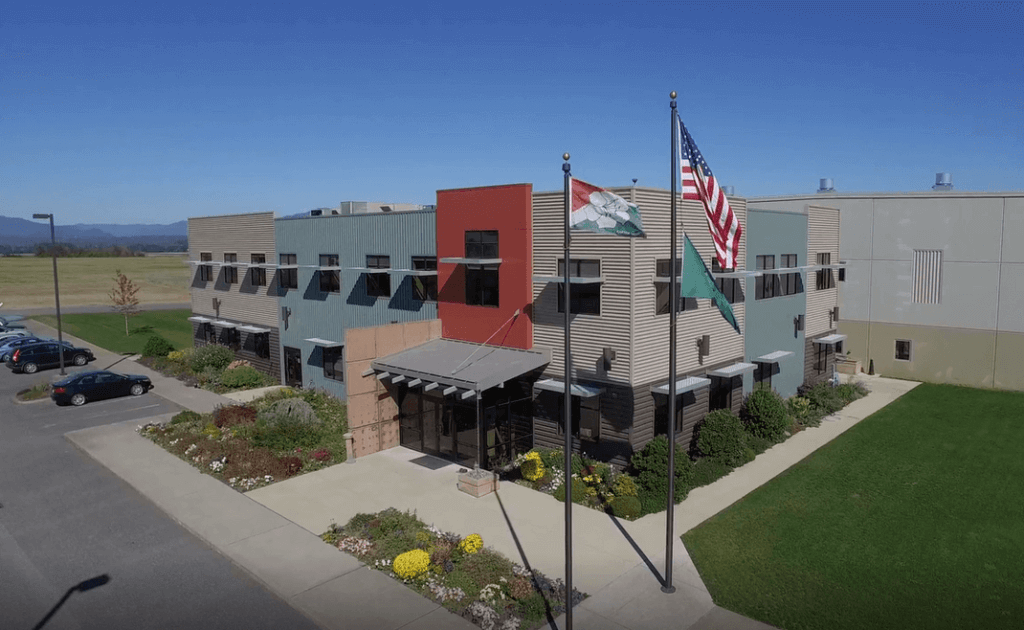
Flexibility also applies to the building itself. Mixed-use buildings are becoming more popular as they use space efficiently and serve the needs of multiple tenants. The Mount Vernon Professional Office Building is a good example where we delivered a versatile design that accommodates three businesses.
Prioritizing Well-Being
Wellness in the workplace used to be about perks like free coffee or the occasional standing desk. Now it’s about creating spaces that truly support mental and physical health. Natural light, indoor greenery, and quiet zones have become must-haves.
Tech-Ready Environments
If your office isn’t equipped for smooth hybrid meetings or lacks strong Wi-Fi everywhere, you’re behind. Technology isn’t optional—it’s essential for staying competitive.
Balancing Collaborative and Private Workspaces
Not everyone works the same way. Some thrive in busy, collaborative spaces, while others need quiet to focus. Striking the right balance is critical.
Functional Collaboration Areas
Collaboration zones don’t have to be chaotic. Open areas work best with some structure—comfortable seating, screens for sharing ideas, and movable walls to adjust to different team sizes. The goal is to make it easy for people to connect without disturbing others.
Collaboration zones should be designed with purpose, combining open layouts with features that make teamwork seamless.
For example, Skagit Bank – Bellingham Branch showcases how style and functionality can coexist. This space was designed to foster a welcoming environment for employees and clients while providing structured, comfortable areas for collaboration.
Spaces for Focus
Private workspaces aren’t just for managers anymore. Everyone needs a quiet place to concentrate. Soundproof pods, quiet rooms, or tucked-away nooks can provide that focus-friendly environment.
The best office designs let employees choose what works for them at any given moment. Whether they need to brainstorm with a team or work solo, your office space should allow for both.
The Importance of Green Construction in Office Buildings
Sustainability isn’t just good for the planet—it’s a smart business move. Green construction can lower costs, attract eco-conscious employees and clients, and future-proof your office.
Energy Efficiency
Modern buildings can waste a lot of energy if they’re not designed well. Systems like motion-activated lights, solar panels, and energy-efficient HVAC setups are both cost-effective and eco-friendly.
Better Materials
The materials in your office matter more than you might think. Using recycled materials, low-VOC paints, and sustainable wood can make your space healthier and more environmentally friendly.
Incorporating Design to Support Employee Retention
Office design has become a surprising factor in retaining top talent. When employees feel taken care of, they’re more likely to stay engaged and loyal to your organization.
Creating inviting common spaces—like modern lounges or café-style break rooms can also help encourage spontaneous collaboration and make coming to the office feel enjoyable again.
The renovation of Edward Jones – Mount Vernon TI is a great example of this principle in action. Focused on boosting productivity, this project utilized thoughtful updates to transform the office into a space that aligns with employee needs and reflects the company’s commitment to its people.
People no longer want sterile, uninspiring environments; they’re looking for places that feel dynamic and human.
Conclusion
Today’s offices are probably the biggest way to reflect your company’s culture, values, and goals.
Modern office space construction can inspire creativity, boost morale, and improve productivity. As the lines between home and work continue to blur, the challenge is to create spaces where employees want to be—not just where they have to be.
If you’re ready to create a workspace that motivates your team and impresses your clients, Chad Fisher Construction can help make it happen. We specialize in turning your vision into a space that drives success. Get in touch today.