
When completing a project, time and resources are of the highest value and need to be used efficiently. So, the practice of lean scheduling is becoming more popular in commercial construction project management. It can make a huge difference to the quality and timeline of the work being done.
Lean scheduling is a clear way to designate specific tasks to those in the relevant roles. With thorough planning, this approach helps projects stay on schedule and within budget.
Below, we look at what lean scheduling entails along with its core benefits for commercial construction.
What Is Lean Scheduling In Construction?
A construction project is usually a big endeavor, and there will be an expected date of project completion. With so many smaller tasks that need to be done to complete the full project, the project manager must ensure that each step is done punctually and efficiently without compromising the quality of work.
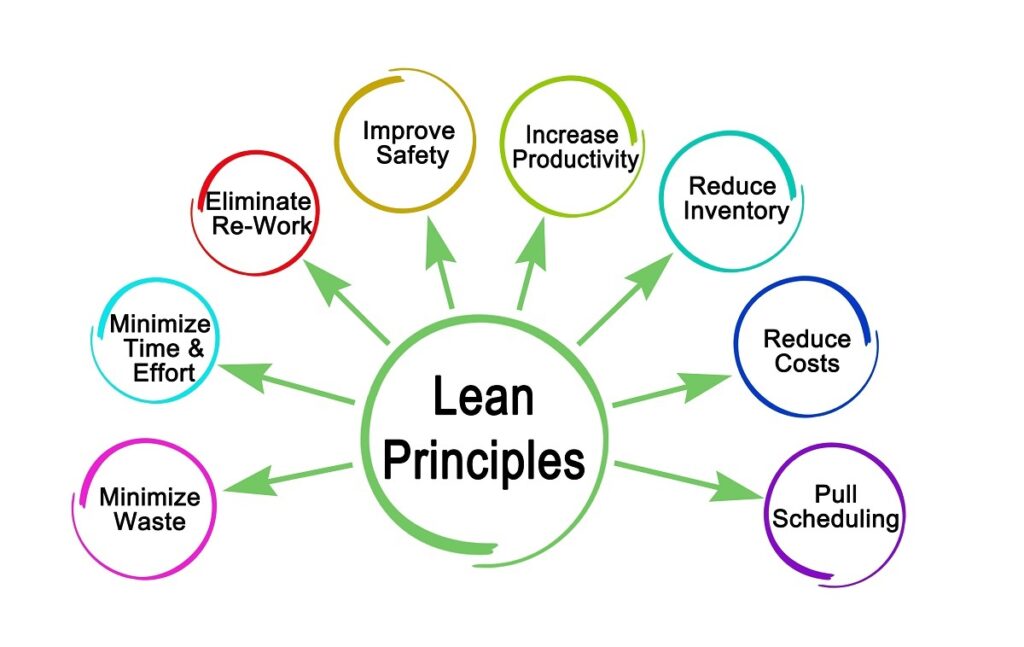
Lean scheduling in commercial construction project management refers to the meticulous planning of every task, how long it should take, and which team or employee will execute it. This cuts down on labor and resource wastage on the project and increased efficiency and productivity.
The lean scheduling method creates an optimized workforce. Plus, it maps out a detailed timeline and designates tasks among the various teams or workers. This means there is no situation where a team is being burdened with a task that they are not prepared for, or equipped to do. It also ensures that the most qualified people for each process are the ones assigned to that task.
The best way to implement such a schedule is to draw it up ahead of time so that there can be extensive planning put in place. It should cover the entire construction process, and also make considerations for unavoidable delays and things that could go wrong.
The Benefits Of Lean Scheduling
Through improved scheduling, budgeting, and task delegation, lean scheduling leads to a number of benefits for commercial construction projects.
Reduces Waste
Lean scheduling can reduce the amount of waste in both materials and labor resources in construction.
If a team has to take on additional responsibilities from others, they will inevitably fall behind in completing their core tasks. With a lean schedule, this should not be an issue, as every task will be allocated to a particular team with enough time on their hands to complete it. This results in an efficient usage of time and labor.
Moreover, overworked teams and overlapped duties impact the quality of work produced and can result in mistakes or having to redo work, which uses more materials. So, by planning better, lean scheduling can also help projects cut down on material wastage.
Improves Customer Satisfaction
Arguably the most important part of any construction project is positive customer satisfaction at the end. To achieve this, meeting deadlines with high-quality results and sticking within the budget are key. And there is no better way to do this than with lean scheduling.
With this type of schedule, everyone has their own tasks to complete by a specific deadline. This ensures smoother operations throughout the project.
As a result, it means that the project is more likely to finish within the deadline from the client, as every step is completed on time.
As mentioned, with efficient work comes a reduction in waste, which can result in lower costs for the client.
Finishing before a deadline, as well as spending less of the client’s money, can only maximize customer satisfaction with the project.
Boosts Revenue
Lean scheduling results in reduced waste of both labor and materials, which will inevitably boost revenue and profit.
Optimizing a workforce and tasking specific teams or people with focused tasks speeds up the completion times and requires fewer people, which cuts down on the labor time required.
This helps to cut down on labor costs, especially if charged according to time worked.
With this efficient method, there will also be a higher quality of work, as each team or individual can focus on their specific tasks without interruption. This eliminates errors and the need to redo steps, reducing material costs and leaving a larger profit margin.
Lower expenses on a project will also boost customer satisfaction, which is likely to secure further projects in the future.
Conclusion
Lean scheduling is an efficient, optimized way to delegate tasks and ensure punctual completion and high-quality results.
It entails a detailed schedule that assigns specific tasks to the relevant teams so that each focuses on completing their assigned tasks. This reduces labor and material waste, and as a result, maximizes customer satisfaction and increases revenue.
To ensure a smooth construction project run with little hassle and enhanced productivity, lean scheduling is the best way to go.