
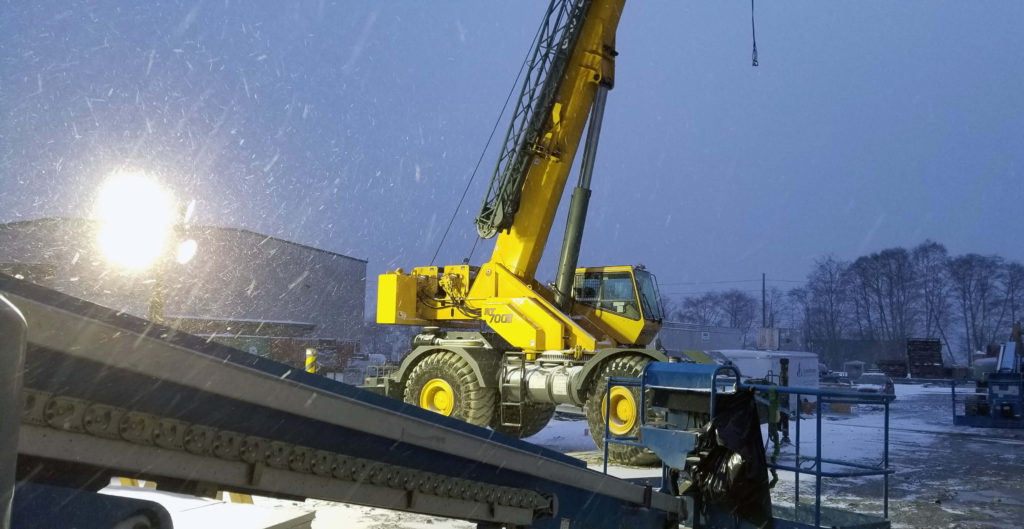
Weather is part of our daily lives, we plan our day around what the weather will be like. Whether we’ll walk or drive, perhaps go for a picnic or stay indoors. However, when construction is involved, weather can play a more consequential role.
Extreme weather situations, or ‘inclement weather’ can cause serious delays in carefully coordinated construction scheduling. The damage to concrete blocks due to wind or rain can lead to a delay in finding new materials to continue the projects and so forth.
According to the NEC, ‘inclement weather’ is weather that, within a twelve-month year, has occurred less frequently than once in ten years on average. Thus, only allowing for extreme weather conditions.
How Does Inclement Weather Affect A Construction Project

As mentioned above, serious inclement weather conditions heavily impact construction scheduling.
Contracts may differ from general contractor to general contractor, there could be stipulations to make clear the possibility of delays due to weather. This allows the contractor to claim a reasonable amount of time as an extension, depending on the weather and the conditions.
Rain and Snow
For rain or snow to be considered ‘inclement weather’, it must be at least 25 percent more than the seasonal averages in the last ten years.
However, the discomfort of rain when working on construction sites is well known. It makes construction sites dangerous for the workers and can result in flooded areas. It also causes an array of damage to the site as well as the materials used.
This can be seen, in the site, as building finishings become damaged and excavations collapse. Rain can result in different materials becoming mixed together (when they should be kept separate) and thus can’t be used. This results in the construction company not only having to remove the batch but they would need to order new materials.
Moreover, it saturates materials. This forms an inconvenience as you have to wait for the materials to dry before being able to use them.
Wind
Above-average wind speeds could be quite dangerous to the construction site as they can cause multiple accidents. Examples of these are accidents caused by overbalancing cranes to compensate for the wind or partly completed work being blown over. Strong wind may also cause an influx of dust, which could cause damage to machinery.
Extreme Temperatures
This can range from anything from freezing cold temperatures to boiling hot. This is particularly important to consider as these extreme temperatures can cause hypothermia or heat stroke – negatively impacting the workers.
Moreover, freezing temperatures may cause ice damage to construction equipment and freeze the water pipes. This automatically places a hold on construction as there is nothing you can do but wait for it to thaw.
Lightning
This element can actually cause your project to be temporarily shut down. The taller the construction site, the more likely it will attract lightning.
Moreover, lightning strikes are not only able to cause fires but can cause significant damage to equipment. Consequently, this may take days to fix and will cost more than what was originally budgeted for the project.
Storms
These included severe storms such as hurricanes and cyclones. These storms are especially dangerous after they have been ‘named’.
When a hurricane or a cyclone hits, it normally stops construction for several days as they are very dangerous. Moreover, they often cause damage to the construction site and may set the team back in terms of scheduling.
Thus, it’s always important to make your project storm ready.
How To Mitigate Weather Delays
1. During the bid or tender stage.
This is vital when starting the construction project. Here, it’s important to understand the contract and what is written in it concerning weather conditions. Moreover, understanding when construction is going to start taking place for optimal weather conditions.
2. Preparing the construction schedule.
Preparing and understanding the construction’s schedule is key in succeeding. When scheduling times and activities, understand the weather patterns in the region. Thus, plan to do more earthwork when it rains or start working earlier and therefore ending earlier when it’s expected to be hot.
This will save time and cause minimal delays caused by weather.
3. Put protection measures into place.
This can be as simple as preparing the site for when bad weather hits to ensure the construction crew has the right gear to withstand the weather.
On a more complicated side, this could mean creating channels so the site doesn’t flood. Or building beams to ensure equipment doesn’t fall and injure the workers.
Final Thoughts
Although you have no control over the weather, you do have control over how prepared you are for it. At Chad Fisher Construction we know first hand that weather can play a role in construction projects. We are also experts at finding solutions to keep projects on time and on budget.
Our experience successfully completing the new finished products building on time for T Bailey Inc is just one example of our ability to adjust to unforeseen circumstances.
Contact Chad Fisher Construction today to discuss your next project.