
Recent years have seen the rise of cutting-edge technology. This could have a huge impact on the commercial construction industry – for the better.
The adoption of this innovation in construction may provide benefits that put companies one step ahead of the rest. On the other hand, failing to keep in step with these advances could significantly disadvantage companies in the future.
Let’s dive a little deeper into this. Below, we outline the various ways that technology will impact commercial construction.
Technology’s Impact On The Future Of Commercial Construction
Some of the greatest influences in the future of the commercial construction industry are expected to come from the progress of new technologies. These technologies include:
- The Internet of Things (IoT)
- Robotics
- Artificial intelligence (AI)
- Prefabricated/modular design.
Here are the most significant influences that these technologies are likely to have on the industry:
Increased efficiency and accuracy
The use of 3D printing and prefabricated construction are some of the leading technologies in construction. This is because they increase both the efficiency and the accuracy of projects. They can streamline production, improve the quality of the products, and reduce material wastage.
3D printing generates a solid model from a Computer-Aided Design (CAD) file. This then instructs the details of each layer forming the product – to make it as close to the design as possible.
Prefabricated construction involves the completion of building components off-site. Then, these are transported assembled during the onsite construction. The advantages of this include improved accuracy, reduced timelines, and the more efficient use of space on site.
These methods are becoming increasingly popular in the building industry.
Improved site surveying and safety
The use of drones and artificial intelligence have changed the game of the surveying of construction sites. Drones (typically autonomous drones) fly through a worksite to provide an accurate visual overview of the area.
As the drones fly over the site, they capture high-resolution photographs of the area below. These photographs can be used to create high-quality 3D models of the area using photogrammetry.
As more construction companies adopt drones, it will improve the accuracy and efficiency of projects. This is because they can produce more detailed and up-to-date models of the site easily. In turn, this significantly improves the speed and accuracy of the construction process.
The set of extra eyes also provide real-time data. Contractors can therefore use drones to flag potential hazards. As such, they can vastly increase the safety of workers on site.
Creative and sustainable designs
Technologies, such as Building Information Modeling (BIM), improve the simulation and processing of designs. This allows architects and engineers to design bold and creative structures better.
Future structures using these innovations may involve exciting curves and angles. With BIM, architects can better ensure that these types of designs will actually work as built assets. So, they can create designs that are functional but also contribute to the visual aesthetics of the building itself.
Other advances in technology will focus on the non-visual components of the building. This can contribute to the efficiency and reduced carbon footprint of the structure. For example, these technologies include enhanced HVAC systems, energy-efficient systems, and green building technology.
Advances in technology also allow contractors to evaluate all building materials beforehand. This enables them to decide which materials would be the most suitable and cost-effective. For example, using laminated wood increases the longevity of the wood and improves the sustainability of the building.
Enhanced communication
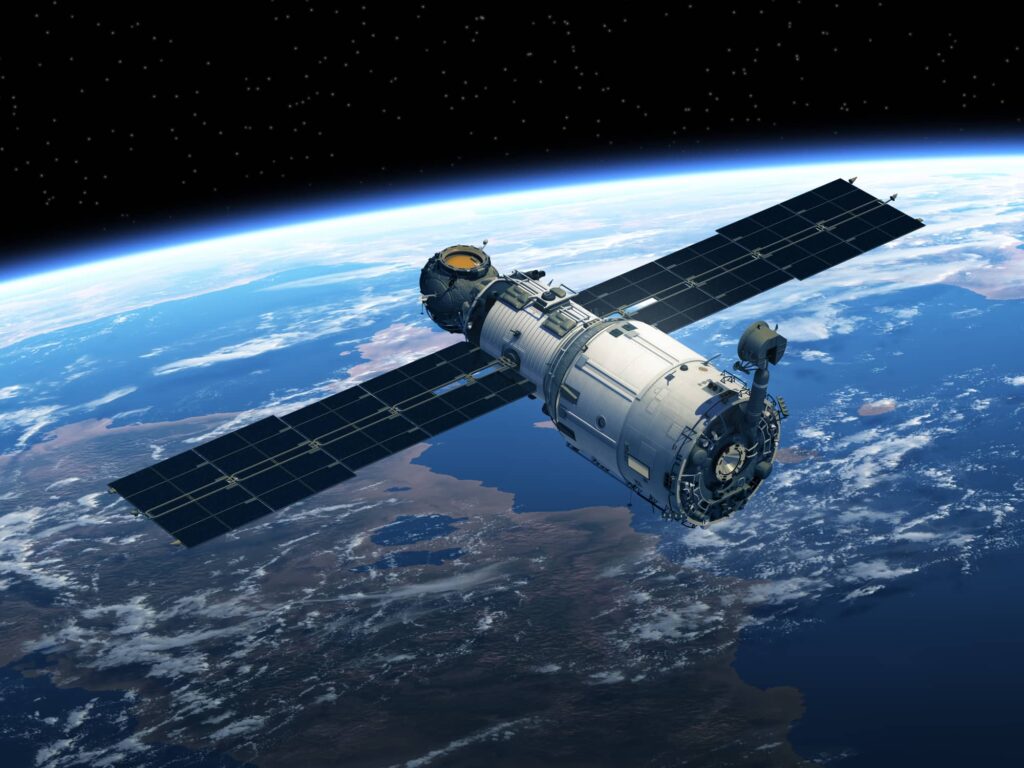
Improved telecommunications using satellite systems has opened up a new dimension of streamlined communication and efficiency on construction sites. Machines on the site can share information to minimize the risks of collisions or delays. This includes data such as their locations, movement paths, and activities.
These systems also allow real-time analytics. Contractors can therefore keep an eye on all on-site activities and progress in real-time. This can also enhance the uptime of the machines and enable contractors to monitor their performance and maintenance.
The improved connectivity of systems allows automated machines to carry out assigned tasks. For example, machines could transport materials without a driver, which would save time and labor resources. Workers will also be able to operate machinery remotely. This is highly beneficial in areas that have safety hazards or are hard to access.
So, with new technologies improving communications, construction companies can improve both efficiency and safety.
Final Thoughts
The advancement of technology has many advantages for the commercial construction industry. The successful innovations in technology today are likely to be the standard for construction workers in the future.
As a construction company, you don’t have to adopt all break-through technologies at once. Making incremental changes over time allows you to adapt to the future changes and ensure the long-term success of your business.
At Chad Fisher Construction, we offer expert advice founded on many years of experience in the construction industry. If you have any questions, be sure to contact us today.