
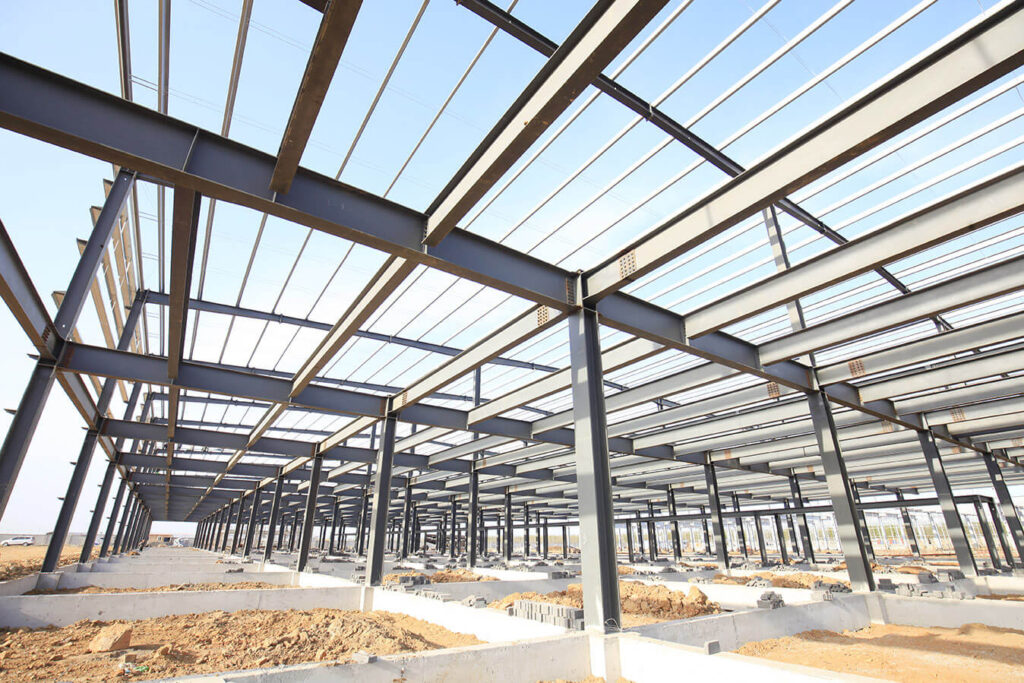
Over the past few years, steel buildings have gained popularity in the agricultural sector thanks to their strength, durability, and cost-effectiveness. As more farmers and agricultural businesses turn to steel structures for housing livestock, storing equipment, and protecting crops, it’s essential to understand the factors that go into constructing these buildings.
Below, we look at the key considerations before constructing agricultural buildings. By the end, you’ll have a comprehensive understanding of the crucial factors that can influence the success of your project.
6 Considerations For Agricultural Steel Buildings
1. The Purpose of the Building
Before starting the construction process, it’s important to clearly define the building’s purpose. Will it be used for storing crops, a workspace for machinery and equipment, or housing livestock? Every purpose has specific requirements.
For example, a structure used to store grain will need a different design and ventilation than one used to house livestock. Knowing the structure’s function will help you make an informed decision about the materials to use, size, and overall design.
In addition, you need to think about your future needs. Agricultural operations grow over time, and what serves well now may not be sufficient tomorrow. So, you need to plan with potential expansion or multi-purpose use in mind. This will help you construct agricultural steel buildings that are functional for years.
Take your time and think about the building’s purpose. This will save you modifications that might dent your pockets and ensure the final product meets your needs.
2. Project Budget
Setting a budget allows you to know what you can afford and where to allocate the most resources. You’ll need to account for the cost of materials and labor as well as additional expenses such as permits, site preparation, and potential professional fees.
One advantage of steel buildings is that they are cost saving compared to traditional construction methods. However, the total cost will vary depending on the size and complexity of the structure.
We always recommend including a contingency fund in your budget to cover unexpected expenses that may arise during construction. Additionally, consider the time of year and local weather conditions, as these can affect the timeline and, consequently, the project’s cost.
3. Building Permits and Regulations
Before you begin construction, you’ll need a building permit. To get one, you will need to submit detailed specifications and plans to your local building authority for review. This review ensures that commercial construction projects meet the safety, environmental, and structural regulations.
The complexity of the permit application varies depending on the location. It might include inspections during different construction phases to ensure everything is up to code.
You’ll also need to consider any zoning laws in the area that dictate how the land can be used. For instance, there may be restrictions on how close a building can be to other structures, how tall it can be, and the type of activities that can be done around it.
4. The Climate and Building Orientation
The weather plays an integral role in determining what type of structure you can put up. You want to be sure it holds up against whatever nature throws its way, after all.
In areas with extreme weather, like high winds, intense heat, or heavy snowfall, the steel building must be designed with these conditions in mind. For example, a closed steel structure equipped with proper ventilation can protect animals from extreme heat and cold.
Also think about the building orientation. Positioning the longest wall to face the northern side can help reduce the impact of harsh sunlight during summer. It can also help take advantage of the limited sun warmth during winter.
If you live in a milder climatic zone, you have more flexibility. You can opt for a combination of closed and open spaces for better airflow.
When you carefully align the design of your building with your local climatic conditions, you can make sure every structure you put up meets your unique needs and lasts a lifetime.
5. Proper Ventilation and Insulation
Proper ventilation and insulation in agricultural steel buildings are important for a safe and efficient environment.
Good ventilation allows better temperature and humidity regulation. It prevents harmful conditions such as ammonia buildup and mold growth, which can be detrimental to your livestock, crops, and farm inputs.
Effective insulation helps maintain a consistent internal climate and reduces the need for additional cooling of heating. It also aids in noise reduction, creating a comfortable environment for your animals.
6. Lighting
Natural and artificial lighting are also important. They maintain visibility, productivity, and safety, especially in the darkest hours of the night and early mornings. These elements create a functional and comfortable space that promotes animal health and efficient farming operations.
Conclusion
Constructing agricultural steel buildings requires careful planning to ensure it meets your needs and is scalable in the future. By considering these factors, you can create a structure that protects the quality of the products and the efficiency of your operations.
Each decision you make plays a part in the success of your project. With thorough preparation, your agricultural steel building will be a valuable asset to your farm for years