
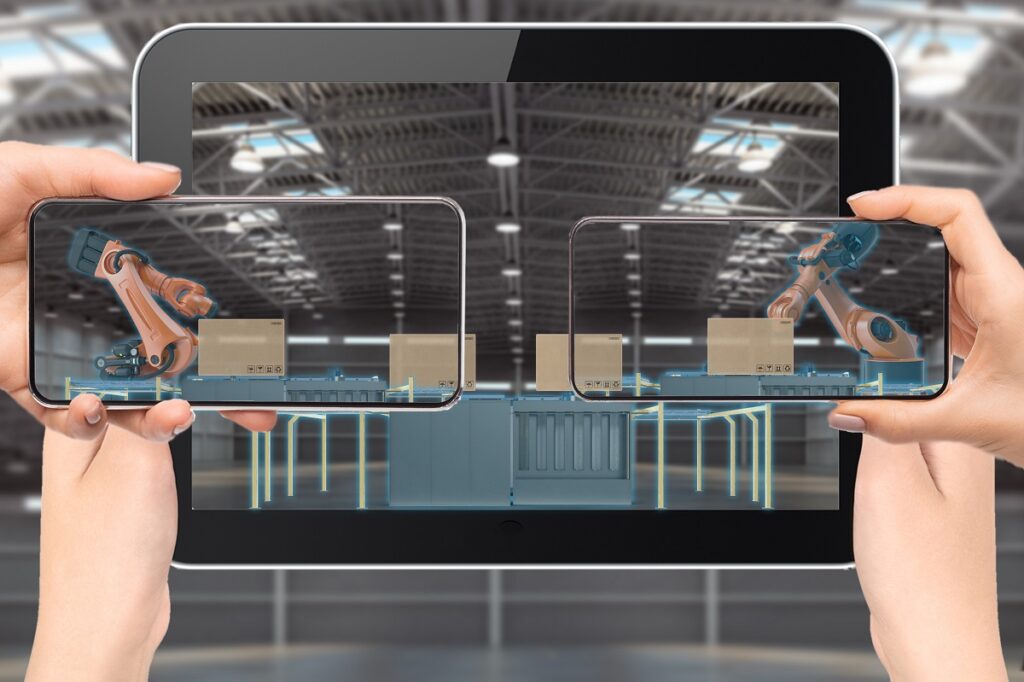
In an era where the fusion of the physical and digital worlds is rapidly reshaping industries, the commercial construction sector stands on the brink of a transformation. Digital twins is one of the revolutionary technologies that promises to redefine the benchmarks of planning, designing, and building.
Imagine a virtual replica of a building, bridge, or infrastructure project so meticulously detailed that it mirrors every aspect of its physical counterpart. This is not the stuff of science fiction. It’s a tangible leap in construction technology poised to drive efficiency, sustainability, and innovation to unprecedented levels.
This short guide will explore the concept of digital twins and how this technology is revolutionizing the commercial construction industry.
What Is A Digital Twin In Construction?
A digital twin in construction is a dynamic, virtual model that reflects a physical building or infrastructure project in real time. It is created using data from various sources, including sensors and drones, to simulate the structure’s life cycle.
This technology allows stakeholders to predict outcomes, optimize processes, and monitor the structure’s health. As a result, it improves decision-making and can reduce costs and construction time.
By enabling a preemptive approach to maintenance and operations, digital twins serve as a proactive tool in the lifecycle management of a construction project.
How Digital Twins Are Impacting The Construction Industry
Below are ways in which digital twins are transforming the construction sector:
Easier Safety Monitoring
Digital twins facilitate real-time safety monitoring on construction sites. They provide detailed simulations where potential hazards can be identified and addressed before they pose a real-world risk.
By integrating sensor data, these virtual models can alert managers to unsafe conditions. This ensures preventative measures can be implemented promptly. As a result, they enhance the overall safety profile of the construction project.
Accurate Assumptions and Predictions
Using digital twins enables precise forecasting by analyzing comprehensive construction datasets from the construction process. Contractors can use this data to predict potential issues and outcomes with greater accuracy, allowing for informed decision-making.
This predictive capability reduces material wastage and ensures resources are allocated efficiently. Ultimately, this cuts costs and minimizes delays in the construction timeline.
Automate Progress Monitoring
Digital twins can automate progress monitoring by comparing the physical project against its virtual counterpart.
Real-time data collected from the construction site is fed into the digital model, highlighting progress updates and deviations from the plan. This enables project managers to adapt swiftly, ensuring the project stays on track and within budget.
More Informed Decision Making
This technology supports informed decision-making in construction by providing a dynamic and interactive representation of the project. These virtual models integrate real-time data, allowing stakeholders to visualize the impact of their decisions and simulate different scenarios before they are implemented on-site. Doing so reduces risks and increases the chances of project success.
Easier Communication Among Stakeholders
The seamless blend of virtual and physical worlds fosters clear communication among stakeholders. By observing the project’s digital twin, various parties, including architects, engineers, and investors, can interpret and discuss plans vividly and accurately. This reduces misunderstandings and enhances collaboration, which is crucial for project coherence and efficiency.
Improved Resource Management
By offering a comprehensive overview of all the resources intertwined within a construction project, from manpower to materials, utilizing a digital twin model ensures optimal allocation. It illuminates the exact needs and surplus of resources at any project phase. As such, project managers can repurpose or reorder inventory accordingly.
This precise resource orchestration helps to cut down on unnecessary costs and reduces waste from over-ordering materials. In addition, having a digital twin helps teams anticipate resource demands and reallocate resources proactively to meet changing needs.
Enhanced Quality Control
Digital twin technology enables high-quality craftsmanship by providing accurate and timely insights into construction quality. It allows for constant, automated monitoring of building components’ dimensions, structure stability, and material properties. This way, builders can detect deviations and mitigate errors before they escalate into major issues.
Additionally, having a digital record of the construction process aids post-completion maintenance and repairs. It provides a reference point for identifying problem areas and resolving them efficiently.
Streamlined Maintenance And Operation
Managing existing infrastructure requires precision, time, and resources. Digital twin models of built structures can be leveraged to streamline maintenance operations. Real-time data from sensors installed in the building’s components feeds into the digital twin model. This enables predictive maintenance schedules and efficient energy management.
In addition, the virtual representation aids in identifying potential issues early on. That way, teams can work to implement preventative measures. This minimizes downtime and costly repairs, ultimately resulting in reduced maintenance costs and improved operational efficiency.
Conclusion
The use of digital twin technology in the construction industry is revolutionizing traditional methods and promoting sustainable practices. It enables augmented visualization, enhanced quality control, and streamlined maintenance and operation processes.
By leveraging this technology, teams can improve project outcomes while reducing costs and waste.