
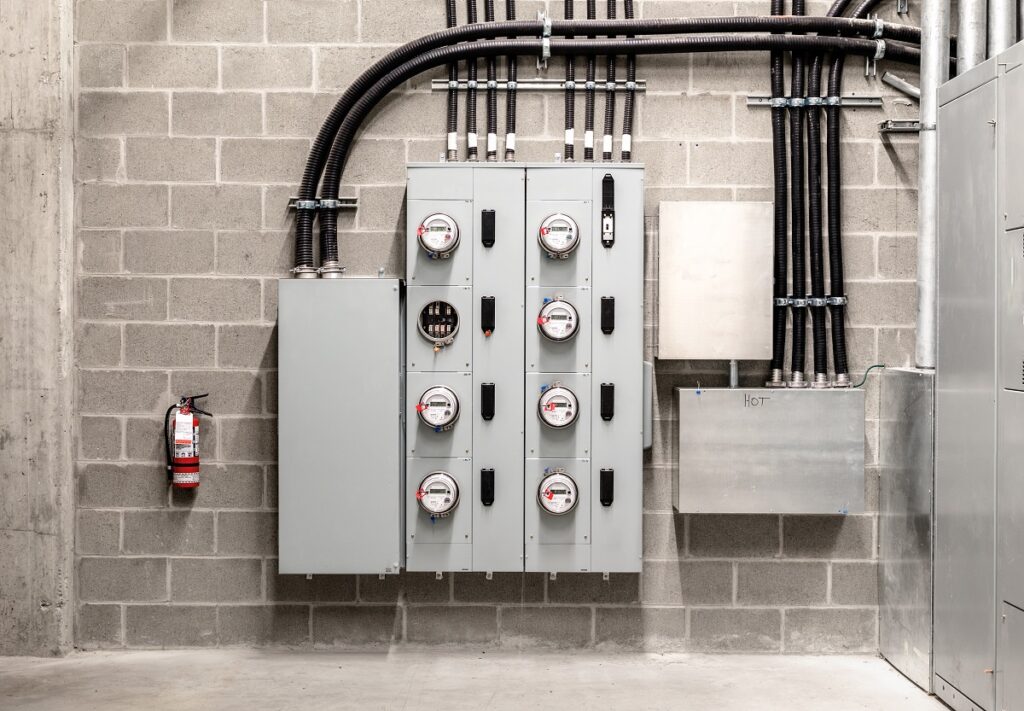
Smart buildings are structures that collate actionable data from various devices, systems, and in-built sensors on the premises. This allows for continuous monitoring and adaptation of the environment to suit the builders and the eventual occupants.
It sounds great, and more and more construction projects are using artificial intelligence and machine learning in this way. But what are the pros and cons of smart buildings?
Find out more below. We’ll cover what a smart building is and the advantages and disadvantages of this construction technology.
What Are Smart Buildings?
Smart buildings can be built and enjoyed across all sectors – commercial, industrial, and even residential. But whether the structure is a smart home, office, or factory, the basic premise is the same.
Smart buildings utilize artificial intelligence, automated control systems, and machine learning to automate and regulate operations throughout the premises. They are hailed as the perfect combination of cost-efficiency, sustainability, and security.
Examples include HVAC systems and smart devices connected to the Internet of Things (IoT).
The Pros Of Smart Buildings
There are endless benefits to using smart technologies in the home or workplace. Air conditioning, ventilation, heating, lighting, and many other essential systems can be streamlined with smart building technologies.
Predictive Maintenance (Spot Issues Before They Become Problems)
Maintenance costs are something that no one can get away from. Whether it’s a house, shopping mall, medical modular facility, or factory, there’ll be ongoing maintenance. Yet, despite your best efforts, sometimes things will go wrong, requiring costly repairs.
Smart systems can predict these faults before they lead to equipment failure and breakdowns. Thus, you can repair small issues before they become bigger, more expensive problems.
More Efficient Use Of Energy
Smart systems also allow for more efficient use of energy. Energy consumption reduction means less expense. In the long term, that can make a huge difference to your home or business as well as the planet’s resources.
With more efficient use of energy and more cost-effective ways to deliver essential services, a smart building also offers the benefits of reduced operational and maintenance costs.
While installing smart technologies is not a cheap exercise, it helps that the cost can be offset in the long run.
A Safer And Healthier Environment For All In The Building
Another advantage is the improved health and well-being that smart buildings can deliver.
Smart HVAC systems can improve air quality and also reduce the spread of airborne diseases. This will improve the quality of life for the smart home’s occupants as well as a smart office or factory worker. And in the case of the latter, less time off sick means higher workplace productivity.
The Cons Of Smart Buildings
Of course, any new technology will have a couple of disadvantages, but these can be highly subjective. They are mostly due to initial costs and cyber-related issues like internet stability and cyber security.
High Initial Costs
Installing these smart systems from the planning stages of a new building carries with it a high initial cost. Depending on the scale of the construction, and the number of smart systems needed, this cost can be a deterring factor.
But the good news is that it will offer a good return on your investment down the line. And just like many tenant improvement services, this will significantly raise the value of your commercial property.
Internet Requirements
It goes without saying that to be internet-based, one needs a good constant internet connection. One that is stable, efficient, and reliable.
This may not be an issue for some people, but it’s not always possible for everyone. Different areas have different internet capabilities. And the type of internet connection possible will greatly influence connectivity strength and speed.
Without the assurance of a stable and continuous internet connection, you won’t realize all the benefits that a smart building offers. Also, disrupted connectivity can cause systems to fail when you need them the most.
Cyber Security Concerns
Unfortunately, the more the digital world advances, so do individuals and groups with malicious intent. With so many systems throughout the building connected by IoT, it leaves it vulnerable to potential cyber-attacks.
Like any device connected to the internet, smart building systems will have built-in forms of cyber security. But these differ in their efficacy and cost. There will be an ongoing need for security measures and updates.
Conclusion
While smart buildings can be initially a more a more costly investment, they do come with some great benefits and can help businesses save money in the long run.
Here at Chad Fisher Construction, we tackle every project with the best of both worlds. The latest in construction innovation is tempered with our many years of experience in the commercial construction industry.
Learn more about what this combo of technology and expertise can do for you. Contact us today for expert advice about your own construction project needs.